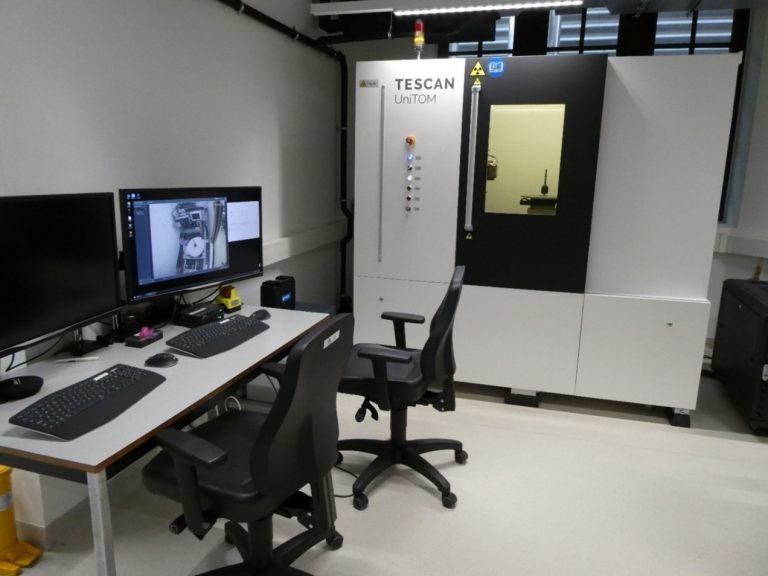
TeScan Unitom HR
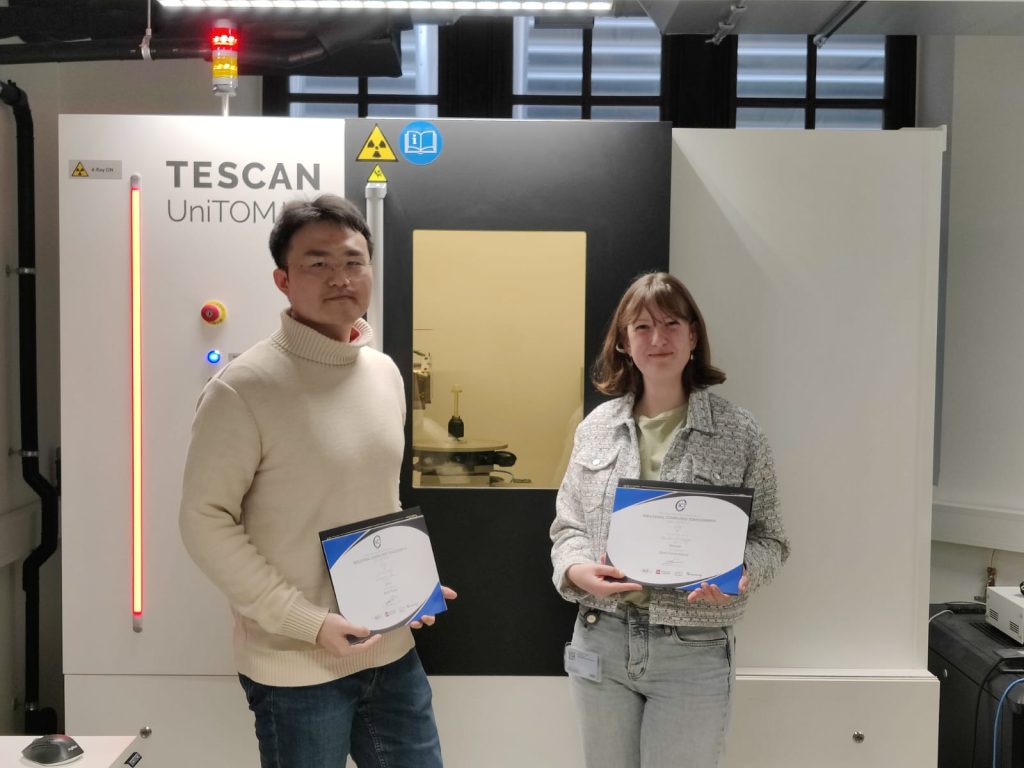
The Unitom HR is a modular and flexible sub-micron resolution XCT system. The system aims at making high resolution and high contrast images.
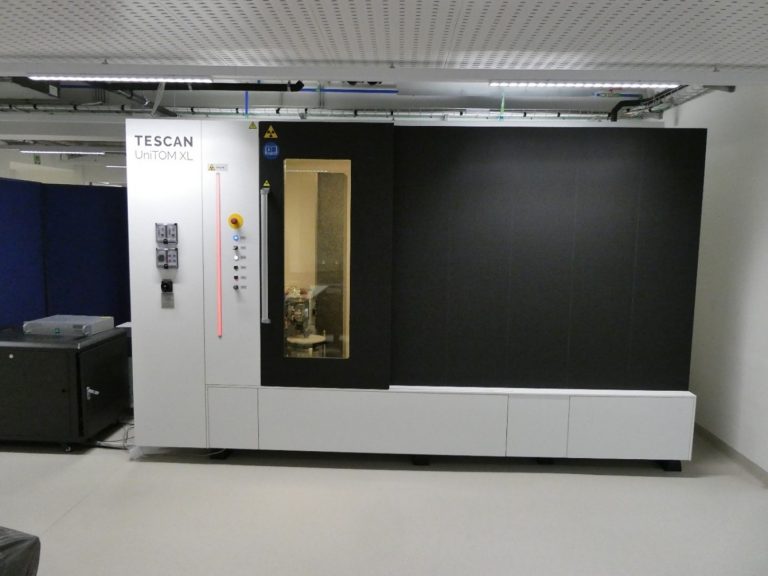
TeScan Unitom XL
The Unitom XL is a multi-resolution micro-CT, optimized for high throughput and contrast, diverse sample types, and flexibility for your research.
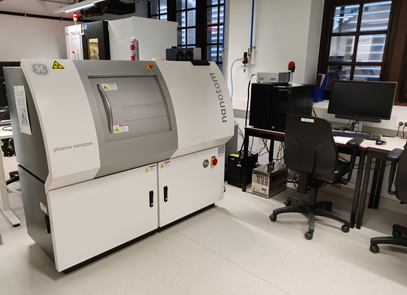
GE Nanotom S
The Nanotom S with its high-power nanofocus tube and stabilised ultra-precision mechanics invades the sub-micron range in voxel size.
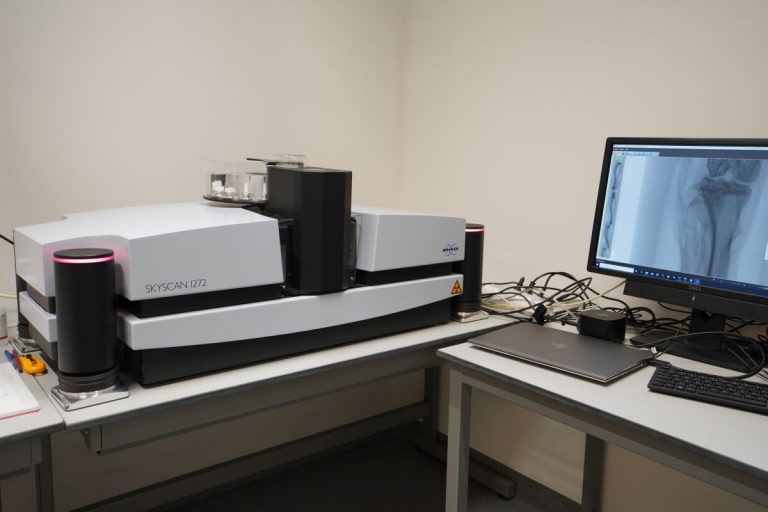
Bruker SkyScan 1272
The Skyscan 1272 is a high-resolution desktop X-ray microtomograph, optimized for small samples.
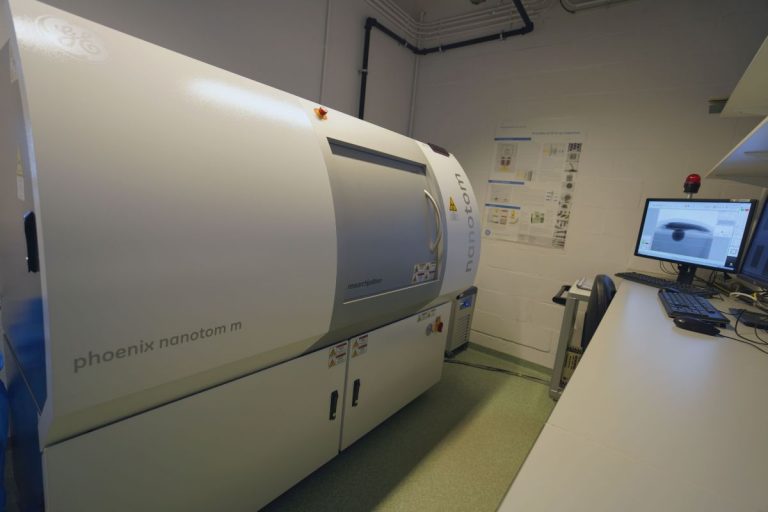
GE Nanotom M
The Nanotom M with its high-power nanofocus tube and stabilised ultra-precision mechanics invades the sub-micron range in voxel size.
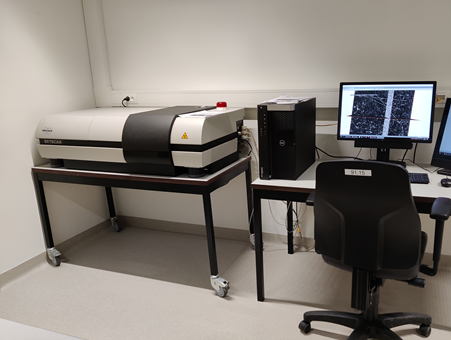
Bruker SkyScan 1172
The Skyscan 1172 is a microfocus desktop X-ray microtomograph, optimized for small samples and a plug-and-play scanning experience.
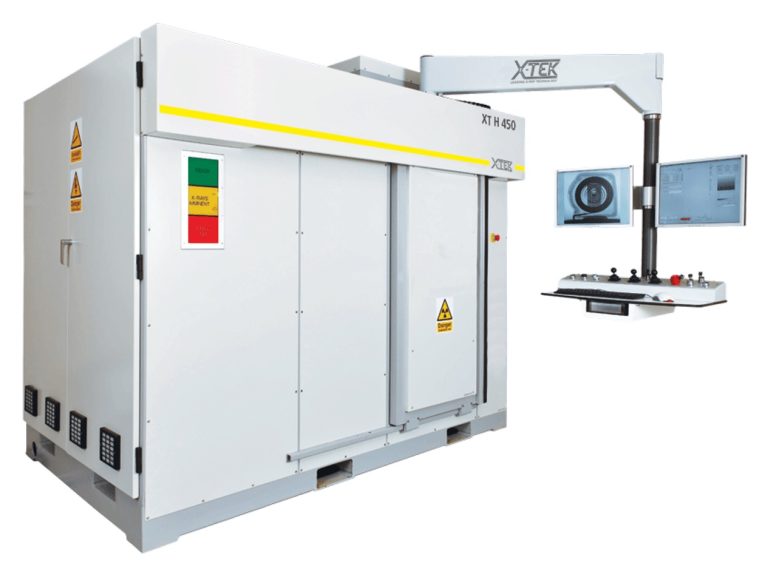
Nikon XT H 450
The 450 kV device (unique in Belgium) offers precise dimensional metrology and quality control for very large and dense components.
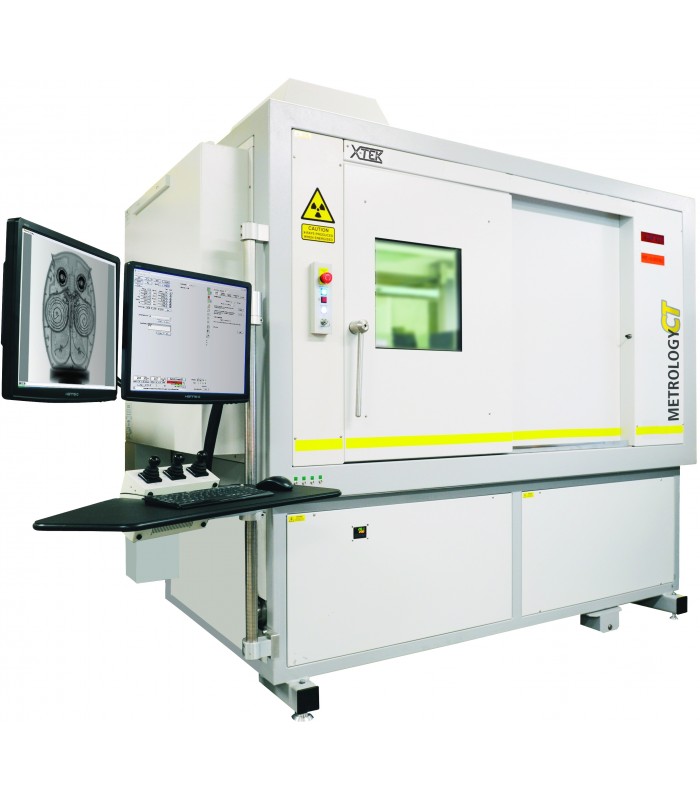
Nikon XT H 225 ST
The 225 kV system offers high power combined with high measurement accuracy suitable to a vast range of materials and sample sizes.


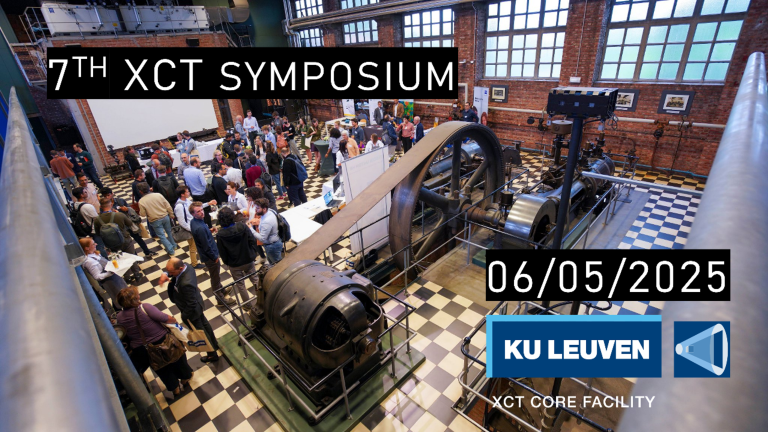
7th Symposium on X-ray Computed Tomography organized by the KU Leuven XCT Core Facility, to take place on May 6, 2025
Dear all, We are excited to announce the 7th Symposium on X-ray Computed Tomography organized by the KU Leuven XCT Core Facility, to take
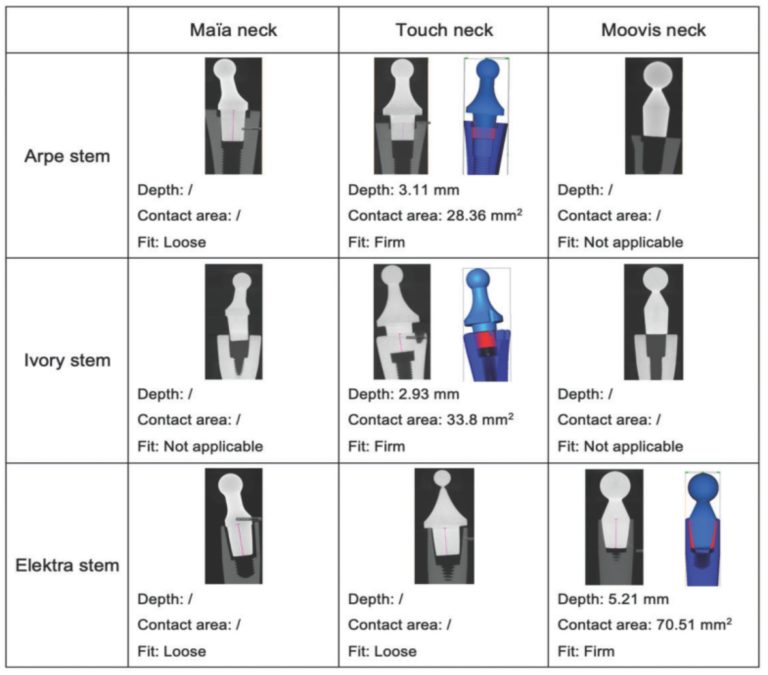
Revision options for discontinued trapeziometacarpal arthroplasties: compatibility with currently available implants
Abstract Surgical revision options for failed trapeziometacarpal total joint replacement include implant replacement and trapeziectomy. However, discontinuation of older implants complicates revision with original components,
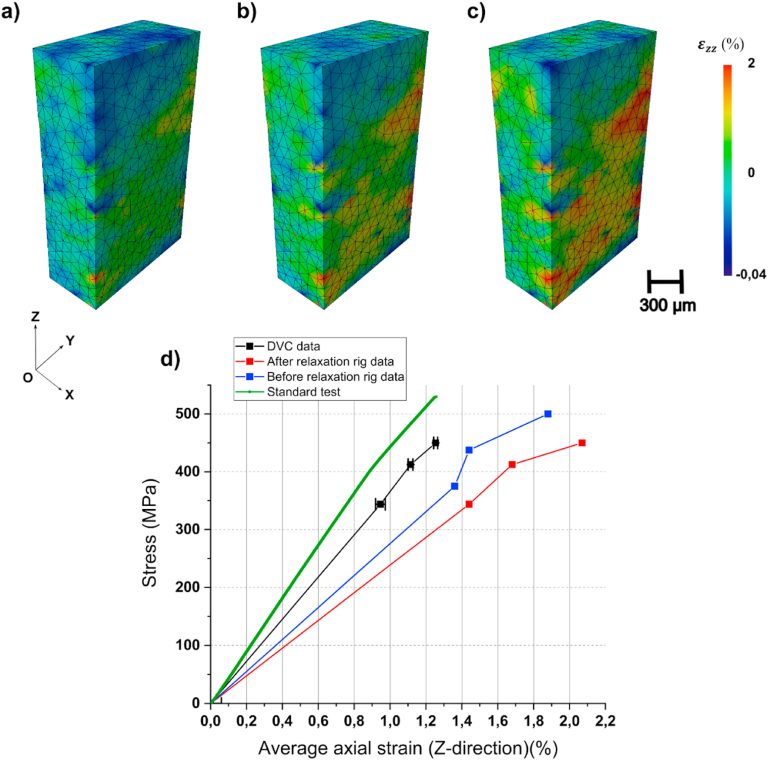
Spatial strain distribution and in-situ damage analysis of sheet moulding compounds based on digital volume correlation
Abstract Carbon fibre-reinforced thermoplastics sheet moulding compounds demonstrate significant potential for cost-effective, mass production applications in lightweight structures. However, the material’s complex internal morphology poses
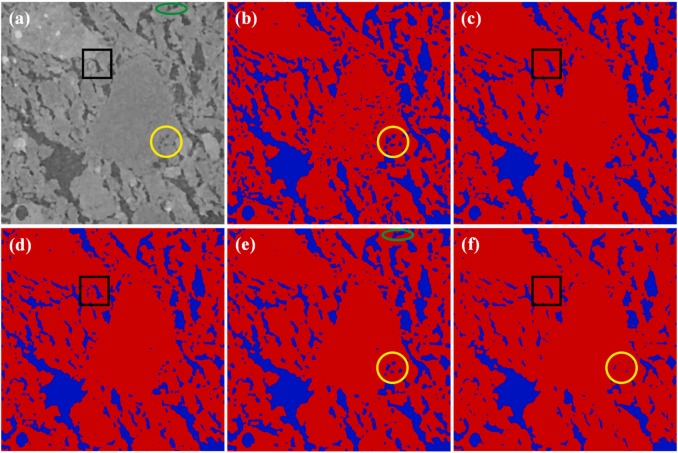
Characterizing the pore structure of a porous building material: Impacts of image acquisition, image denoising and image segmentation choices
Abstract The porous nature of a building material significantly influences its functional properties, with the pore structure being particularly crucial. Imaging techniques are widely used
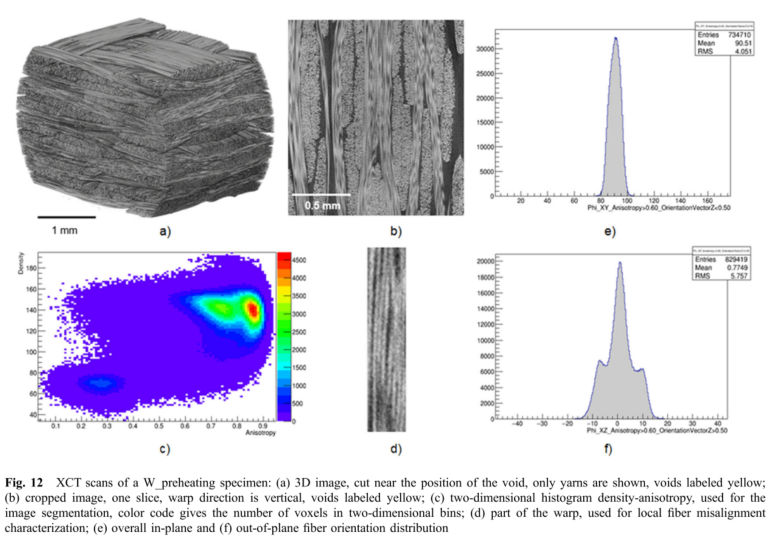
System Integration for Advanced Manufacturing of Composites by Microwave Preheated Resin Infusion: An Experimental Study
This paper investigates an innovative process for polymer composite materials manufacturing by vacuum-assisted resin infusion process combined with a controlled microwave preheating system. Regulation is
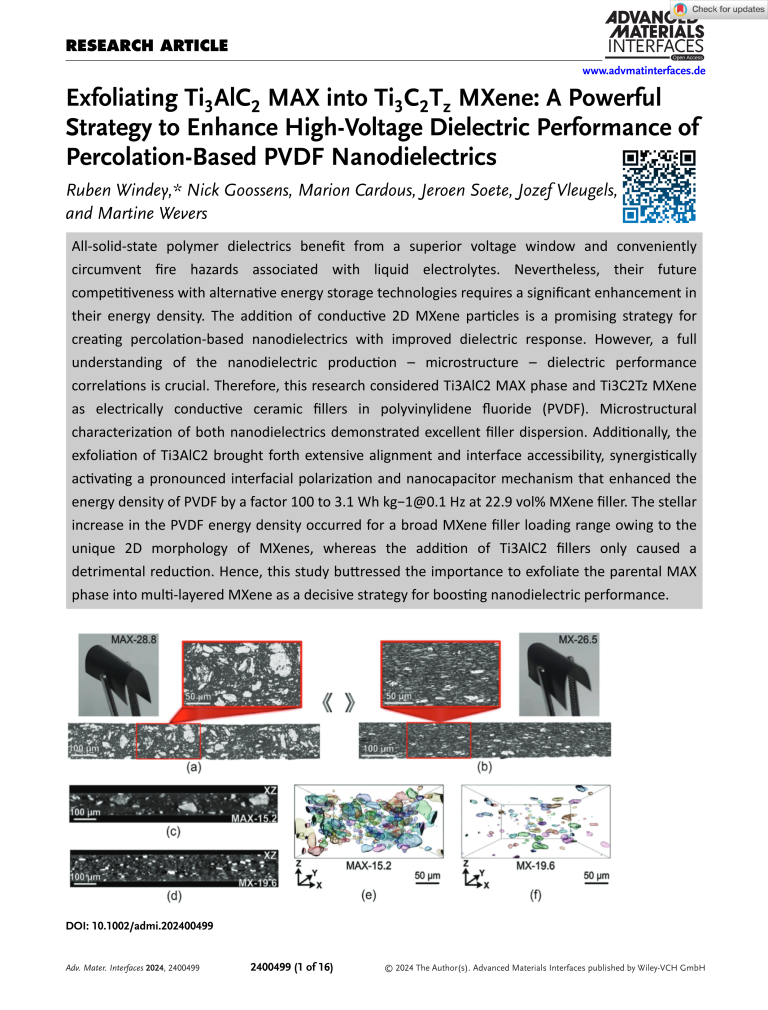
Exfoliating Ti3AlC2 MAX into Ti3C2Tz MXene: A Powerful Strategy to Enhance High-Voltage Dielectric Performance of Percolation-Based PVDF Nanodielectrics
Abstract All-solid-state polymer dielectrics benefit from a superior voltage window and conveniently circumvent fire hazards associated with liquid electrolytes. Nevertheless, their future competitiveness with alternative